

How to Choose the Right Used Sprinter Van
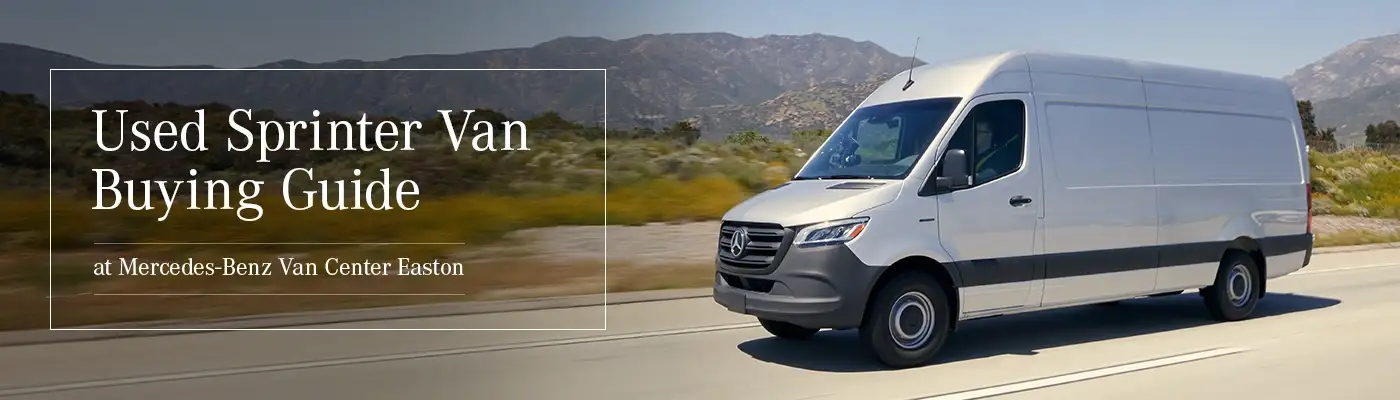
There’s certainly no denying the value, versatility, and confidence that you’ll enjoy by choosing a pre-owned Mercedes-Benz Sprinter van. A true workhorse that’s packed with innovation, efficiency, and connected tech features – a used Sprinter van is a decision that both your head and heart can agree on. In order to enjoy all of these exciting advantages, it’s critical that you do your homework and carefully evaluate your options before making a final buying decision. To give you a helping hand, our team at the Mercedes-Benz Van Center Easton has created our top tips for shopping for a used Sprinter van. Avoid potential pitfalls, maximize your savings, and shop like a pro by using this handy reference guide. Let’s get started!
Used Sprinter Van Buying Checklist: Quick Answer
Before buying a used Mercedes-Benz Sprinter, verify the vehicle history, title and mileage, review maintenance records, inspect the body and undercarriage, check tires and brakes, evaluate the cargo area and any upfit, confirm the correct wheelbase and payload rating, complete a thorough road test, and arrange an independent pre-purchase inspection. The best used Sprinter is not simply the one with the lowest mileage—it is the van with the right configuration, condition, documentation, and ownership history for the work you need it to perform.
✓
History Before Mileage
A documented maintenance history and careful commercial use can matter more than choosing solely by the odometer reading.
✓
Inspect the Completed Van
Evaluate the body, drivetrain, cargo area, electrical systems, tires, brakes, and any shelving or specialty upfit as one complete vehicle.
✓
Buy the Right Configuration
Wheelbase, roof height, drivetrain, GVWR, payload, towing, seating, and upfit compatibility should match the intended job.
12-Point Used Mercedes-Benz Sprinter Buying Checklist
Use this checklist to compare used Sprinter Vans consistently instead of relying on appearance, price, or mileage alone.
Confirm the VIN and Title
Match the VIN across the vehicle, title, history report, service records, and sales documents. Review title status before purchase.
Review Vehicle History
Look for mileage inconsistencies, reported damage, theft records, flood history, ownership changes, title events, and available service entries.
Request Service Records
Ask for maintenance invoices and evidence of oil, filters, fluids, brakes, tires, emissions-system work, and mileage-based services.
Check Recall Status
Use the VIN to determine whether open safety recalls or service campaigns require attention and ask for completion documentation.
Inspect the Body and Underside
Review paint, panels, doors, roof, glass, seals, frame areas, underbody, corrosion, leaks, previous repairs, and signs of commercial damage.
Check Tires and Brakes
Inspect tread depth, tire age, matching specifications, uneven wear, wheel condition, brake feel, visible components, and warning indicators.
Inspect the Cargo Area
Check the floor, walls, roof, doors, tie-downs, lighting, partitions, shelving, evidence of leaks, load damage, and the quality of any upfit.
Test Every System
Operate lights, locks, windows, cameras, sensors, climate control, infotainment, outlets, doors, seats, and installed accessories.
Complete a Cold Start
When practical, observe the van before it has been warmed up. Note starting behavior, warning lights, noises, smoke, vibration, and fluid leaks.
Take a Real Road Test
Drive at city and highway speeds while checking acceleration, shifting, steering, braking, ride quality, tracking, vibration, noise, and visibility.
Verify the Configuration
Confirm wheelbase, roof, drivetrain, GVWR, engine, payload, towing, seating, door arrangement, and equipment against your requirements.
Get a Pre-Purchase Inspection
Have a qualified commercial-van or Mercedes-Benz technician inspect the exact van and review diagnostic information before purchase.

Choose a Trusted Sprinter Dealer
A great first step to take when shopping for the right used Sprinter van is to choose a trusted dealership that specializes in commercial vans. The Mercedes-Benz Van Center Easton is an authorized Sprinter dealer that’s home to a massive selection of used Sprinter vans to choose from. Priced competitively to suit virtually any budget, you can’t beat our inventory of pre-owned Sprinter models. Better still, each vehicle in our inventory has been meticulously inspected by our team of factory-trained Mercedes-Benz technicians who understand the specifics of the vehicle inside and out. You won’t have to worry about dealing with strangers or driving all across the state either!
Questions to Ask the Seller
- What inspection was completed?
- What maintenance or repairs were performed before sale?
- Are service records and a vehicle history report available?
- Is any warranty or Certified Pre-Owned coverage included?
- Can the van be independently inspected before purchase?

Check the Vehicle History Report
Whether you’re shopping at a dealership or from a private party seller, acquiring a copy of a used Mercedes-Benz Sprinter van’s vehicle history report is an important step to take. While it’s usually not a comprehensive record of every single aspect of the van’s history, it’s a great way to identify potential red flags. You’ll want to avoid a used Sprinter with mileage/odometer discrepancies, accidents, theft records, flood damage, frequent repairs, and frequent ownership changes. Each of these could be potential warning signs of a van that was neglected or not properly maintained, leading to unexpected surprises after you take ownership. If the vehicle has a clean bill of health, that’s usually a smart sign to proceed further.
A history report is a screening tool, not a complete inspection. Damage, maintenance, commercial use, idle hours, repairs, or upfit changes may not appear in the report. Compare it with service invoices, the title, the physical van, diagnostic results, and a professional inspection.
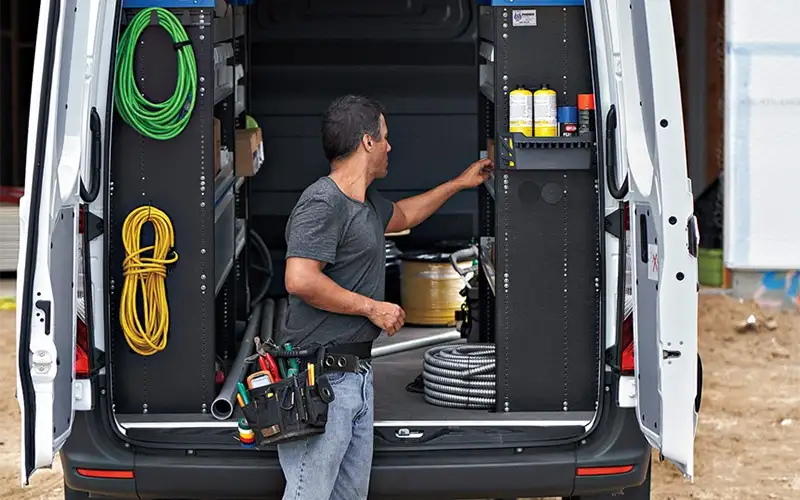
Check Common Wear Components
Taking the time to inspect common wear items and components is a smart step to take when shopping for a used Mercedes-Benz Sprinter van. Best of all, you don’t need to be a professional to do so! Take a look at the tires for uneven tread wear, excessive tread wear, mismatched tire brands, and damage. Similarly, worn-out brake pads, burnt out light bulbs, cracked windshield wiper blades, or damaged exterior glass can be signs of a van that’s had a hard life. If everything is in good condition and in good working order, you may have found a great pre-owned Sprinter van that needs nothing more than a new owner!
Quick Wear-Item Review
- Tire tread, age, matching load specifications, and uneven wear
- Brake feel, visible wear, warning lights, and service history
- Wipers, windshield, mirrors, lamps, doors, hinges, and seals
- Seat, steering-wheel, pedal, and cargo-floor wear compared with mileage
- Leaks, corrosion, damaged wiring, loose trim, and worn cargo hardware
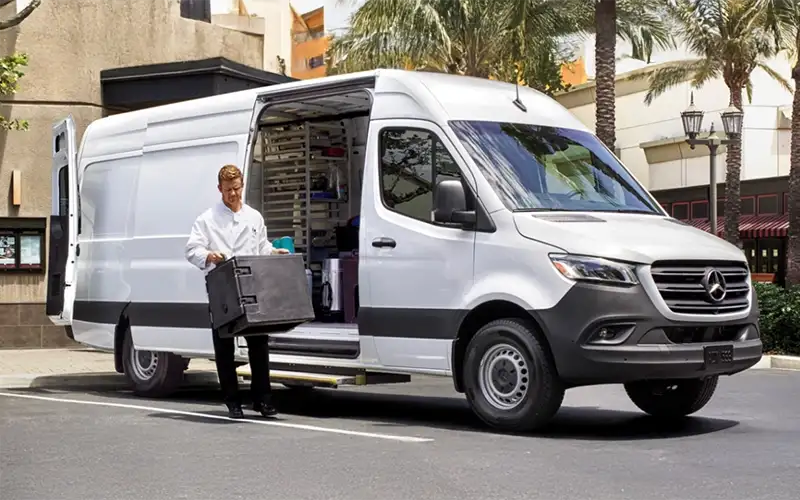
Understand Your Needs
It’s no secret that the Mercedes-Benz Sprinter lineup of commercial vans delivers class-leading capabilities and versatility that can adapt to virtually any lifestyle, trade, or occupation. With such a wide range of individual models, wheelbase lengths, powertrains, and upfitter options to choose from – it’s easy to get overwhelmed by the number of choices available on the used market. Take a moment to evaluate your specific needs to narrow down your search and shop more effectively. Do you need to tow heavy loads on a regular basis? Does your business depend on extra interior space for cargo? Will multiple individuals share driving duties on a regular basis? These are just a few of the questions that you should ask yourself to help you find the perfect used Sprinter van with ease.
Define the Job Before Shopping
Write down the longest cargo item, expected daily payload, number of occupants, required standing height, parking limitations, towing needs, route conditions, AWD preference, and planned upfit. That list prevents you from buying a well-kept van that is still the wrong van for the operation.
What Should You Inspect on a Used Sprinter Van?
Inspect the van as a complete commercial system. A clean exterior does not reveal the condition of the drivetrain, electrical equipment, cargo area, or upfit.
Exterior and Underbody
- Panel alignment and paint consistency
- Roof, gutters, seams, doors, hinges, and seals
- Glass, lamps, mirrors, cameras, and sensors
- Corrosion, scrapes, dents, and repaired areas
- Frame and underbody condition
- Evidence of fluid leaks or impact damage
Engine and Drivetrain
- Cold-start behavior and warning lights
- Fluid condition and visible leaks
- Unusual noise, smoke, odor, or vibration
- Transmission engagement and shifting
- Steering, suspension, and driveline operation
- Diagnostic scan and maintenance status
Cabin and Electronics
- Instrument cluster and warning indicators
- Climate control and defrost operation
- Infotainment, cameras, and connectivity
- Windows, locks, keys, and remote functions
- Seat condition and restraint systems
- Evidence of water intrusion or damaged wiring
Cargo Area
- Floor, walls, roof, and wheel housings
- Rear and sliding-door operation
- Tie-downs, partitions, and cargo lighting
- Water stains, odors, and roof leaks
- Heavy-impact or forklift damage
- Usable dimensions for your cargo
Upfit and Accessories
- Mounting quality and structural condition
- Electrical wiring, fuses, and power systems
- Shelving, tanks, generators, and batteries
- Refrigeration, plumbing, or specialty equipment
- Added weight and remaining payload
- Documentation for installed equipment
Tires, Brakes and Load Equipment
- Correct tire size and load rating
- Tire age, tread, damage, and uneven wear
- Brake operation and available history
- Wheel, lug, and valve condition
- Hitch, wiring, steps, and rear equipment
- Payload and towing labels for the exact van
Good Signs and Used Sprinter Warning Signs
No single item determines whether a van is a good purchase. Use the full pattern of documentation, condition, operation, and inspection results.
Positive Signs
- Consistent service documentation
- Mileage that matches records and physical wear
- Clean cold start and stable operation
- No active warning lights or unresolved diagnostic issues
- Even tire wear and correct commercial tire specifications
- Dry cargo area, intact seals, and smoothly operating doors
- Professionally installed and documented upfit
- Seller permits an independent inspection
- Configuration matches the intended payload, cargo, route, and towing needs
Items Requiring Closer Review
- Mileage or VIN inconsistencies
- Missing records or long unexplained service gaps
- Warning lights that were recently cleared without documentation
- Fluid leaks, overheating evidence, unusual noise, smoke, or vibration
- Severe uneven tire wear or mismatched load specifications
- Corrosion, water intrusion, flood history, or poorly repaired body damage
- Loose, overloaded, or undocumented upfit equipment
- Seller resists a road test or independent inspection
- Van cannot safely support the intended payload, towing, or cargo dimensions
Used Sprinter Road-Test and Pre-Purchase Inspection Guide
A short trip around the block is not enough. Drive the van under conditions that reveal how it starts, shifts, steers, brakes, rides, and performs at speed.
During the Road Test
- Start the van and observe warning lights, idle quality, sound, smoke, and vibration.
- Test forward and reverse engagement and note any delay, harshness, or unusual movement.
- Accelerate gradually and firmly while listening for abnormal engine or driveline noise.
- Check steering effort, tracking, wheel alignment, suspension noise, and turning behavior.
- Brake at different speeds and note pulling, vibration, noise, pedal feel, and warning indicators.
- Drive at highway speed to identify wind noise, vibration, shifting concerns, and stability issues.
- Recheck the van afterward for warning lights, leaks, odors, heat, and changed fluid levels.
Professional Inspection Should Review
- Diagnostic trouble codes and system readiness
- Engine, cooling, fuel, exhaust, and emissions-system condition
- Transmission, differential, driveline, steering, and suspension
- Brake measurements, tires, wheels, and alignment-related wear
- Battery, charging, starting, lighting, and electronic systems
- Leaks, corrosion, structural condition, and previous repair quality
- Cargo-area condition and upfit installation
- Immediate repairs, upcoming maintenance, and estimated ownership needs
Mileage vs. Maintenance History: Which Matters More?
Mileage matters, but it does not tell the entire story. A lower-mileage van may have experienced heavy idling, short trips, deferred maintenance, overloading, harsh jobsites, or long periods of storage. A higher-mileage van may have accumulated steady highway miles with consistent service and careful operation.
Compare the odometer with service intervals, idle-time information when available, ownership duration, route type, cargo wear, seat and pedal wear, tires, brakes, diagnostic data, and the physical condition of the van. The most useful question is not simply “How many miles are on it?” but “How was it used and maintained during those miles?”
Service Records Worth Requesting
- Oil and filter services
- Fuel, air, cabin, and other filter replacement
- Brake-fluid, transmission, differential, coolant, and other fluid service where applicable
- Brake, tire, alignment, suspension, and steering work
- Battery, charging, starting, electrical, and climate-control repairs
- Diesel exhaust fluid and emissions-system maintenance where applicable
- Recall and campaign completion
- Upfit installation, repair, inspection, and weight documentation
Which Used Sprinter Configuration Should You Buy?
A reliable van in the wrong size or weight class can still be an expensive mistake. Match the configuration to the intended operation.
144-Inch Wheelbase
Best starting point for: City routes, service calls, smaller upfits, parking flexibility, and buyers prioritizing maneuverability.
Confirm that the cargo floor, roof, payload, and door openings are sufficient for the operation.
170-Inch Wheelbase
Best starting point for: Delivery operations, longer shelving, trade equipment, mobile businesses, and larger cargo requirements.
Account for additional length, turning space, parking requirements, and completed upfit weight.
170-Inch Extended
Best starting point for: Maximum-volume cargo, long interior builds, specialty conversions, and operations needing the greatest floor length.
Review rear overhang, route clearance, load distribution, parking length, and hitch limitations.
2500 to 4500 Models
Choose by: GVWR, payload, wheel arrangement, body availability, towing, upfit, and licensing or operating requirements.
Do not assume a larger cargo body automatically provides the highest payload capacity.
Standard Roof vs. High Roof
Standard roof: Lower overall height and potentially easier access to lower-clearance locations.
High roof: Greater standing height and vertical room for shelving, tools, equipment, or conversion layouts.
RWD vs. AWD
Rear-wheel drive: May provide greater payload in otherwise comparable configurations because it carries less drivetrain weight.
All-wheel drive: May benefit appropriate routes and weather conditions but can reduce available payload and change dimensions.
Certified Pre-Owned vs. Other Used Sprinter Vans
A used Sprinter may be offered as Certified Pre-Owned, as a dealership-inspected pre-owned van, or through a private seller. Do not assume the same inspection, warranty, roadside assistance, exchange terms, or eligibility applies to every used vehicle.
When considering a Certified Pre-Owned vehicle, request the completed certification inspection, exact warranty document, coverage dates, exclusions, deductible information, roadside-assistance terms, and any available extended-coverage options. For any non-certified van, ask what inspection and reconditioning were completed and obtain the terms in writing.
Review Mercedes-Benz Certified Pre-Owned benefits and confirm eligibility and coverage for the exact vehicle with Mercedes-Benz Van Center Easton.
Calculate the True Cost of a Used Sprinter Van
Purchase price is only the beginning. Compare the complete cost required to place the van into service and keep it productive.
- Immediate scheduled maintenance
- Tires, brakes, battery, fluids, filters, and worn components
- Diagnostic or warning-light repairs
- Body, glass, lighting, door, seal, or corrosion work
- Removal, repair, or replacement of existing upfit equipment
- New shelving, partitions, flooring, towing, or specialty equipment
- Financing cost and required down payment
- Commercial insurance, registration, taxes, and licensing
- Fuel, diesel exhaust fluid, maintenance, and downtime planning
- Expected resale value and intended ownership period
A more expensive van with strong records, the correct configuration, and little immediate work may provide better value than a lower-priced van that requires repairs or an entirely new upfit.
Shop Used Sprinter Vans in Columbus, Ohio
Used work vans serving Columbus and Central Ohio may encounter downtown delivery routes, highway mileage, winter road salt, changing temperatures, equipment-heavy jobsites, and long commercial operating days. That makes vehicle history, underbody condition, maintenance records, tires, brakes, seals, payload, and upfit quality especially important.
Mercedes-Benz Van Center Easton can help you compare pre-owned Sprinter models, wheelbases, roof heights, drivetrains, payload ratings, towing capability, cargo dimensions, maintenance history, financing, trade-in value, and available coverage.
Browse our pre-owned work-van inventory, explore current pre-owned specials, or begin with our finance center.
Used Sprinter Buyer Resources
Use these guides to verify size, payload, towing, maintenance, longevity, recall status, and ownership planning.
Used Mercedes-Benz Sprinter Buying FAQs
What should I check before buying a used Mercedes-Benz Sprinter?
Verify the VIN, title, mileage, vehicle history, service records, recall status, body and underbody condition, tires, brakes, cargo area, upfit, electronics, cold-start behavior, road-test performance, configuration, payload, and towing ratings. Arrange a professional pre-purchase inspection before buying.
Is mileage or maintenance history more important on a used Sprinter?
Both matter, but mileage alone does not describe how a van was used. Compare the odometer with service records, idle time when available, route type, physical wear, diagnostic information, upfit weight, loading history, and current mechanical condition.
Should I get a pre-purchase inspection for a used Sprinter?
Yes. A qualified commercial-van or Mercedes-Benz technician can review diagnostic systems, drivetrain condition, brakes, tires, steering, suspension, leaks, corrosion, electrical equipment, cargo condition, upfit quality, and upcoming maintenance needs.
Is a vehicle history report enough when buying a used Sprinter?
No. A vehicle history report is useful for identifying reported mileage, title, accident, theft, flood, ownership, and service information, but not every event is reported. Compare it with the title, service invoices, physical inspection, diagnostic results, and pre-purchase inspection.
What service records should I request for a used Sprinter?
Request oil and filter records, mileage-based services, fluid and filter replacement, brake and tire work, alignment and suspension repairs, battery and electrical work, emissions-system service where applicable, recall completion, diagnostic repairs, and upfit documentation.
What are warning signs when inspecting a used Sprinter?
Items requiring closer review include mileage inconsistencies, missing records, warning lights, leaks, overheating evidence, unusual noise or smoke, severe uneven tire wear, corrosion, water intrusion, poorly repaired damage, damaged wiring, loose upfit equipment, and a seller who resists an independent inspection.
Which used Sprinter configuration should I buy?
Choose based on cargo dimensions, payload, towing, passenger count, standing height, parking, route conditions, upfit, and drivetrain needs. The 144-inch wheelbase favors maneuverability, while 170-inch and extended configurations provide more cargo-floor length.
What should I inspect on a used Sprinter upfit?
Inspect mounting quality, structure, wiring, fuses, batteries, plumbing, tanks, shelving, partitions, flooring, generators, refrigeration, steps, and specialty equipment. Request documentation and determine how the upfit affects remaining payload and cargo space.
Should I buy a Certified Pre-Owned Sprinter?
A Certified Pre-Owned vehicle may offer a defined certification process and written coverage benefits when the exact van is eligible. Compare the completed inspection, warranty terms, exclusions, coverage dates, roadside assistance, exchange terms, and price with other pre-owned options.
How can I check a used Sprinter for open recalls?
Use the vehicle identification number to review recall information and ask the seller or an authorized Mercedes-Benz dealer for documentation showing whether applicable recall work has been completed.
Can Mercedes-Benz Van Center Easton help me choose a used Sprinter?
Yes. Mercedes-Benz Van Center Easton can help compare pre-owned Sprinter inventory, vehicle history, condition, wheelbase, roof height, drivetrain, payload, towing, cargo dimensions, maintenance needs, financing, trade-in value, and available coverage.
*Used-vehicle condition, history, mileage, inspection results, warranty coverage, certification eligibility, maintenance needs, payload, towing, dimensions, equipment, upfits, pricing, and availability vary by vehicle. A vehicle history report may not include every event. Buyers should review the exact vehicle, documentation, ratings, warranty terms, and sales agreement and obtain an appropriate pre-purchase inspection before purchase.